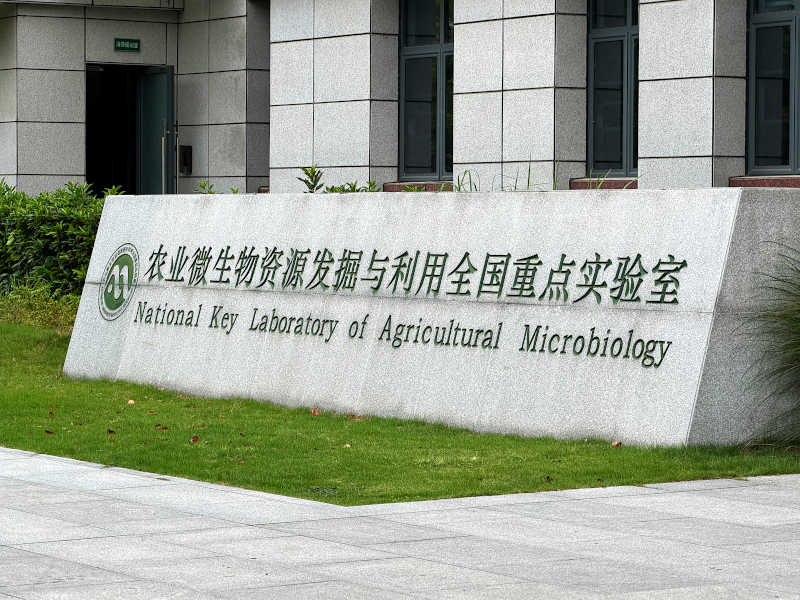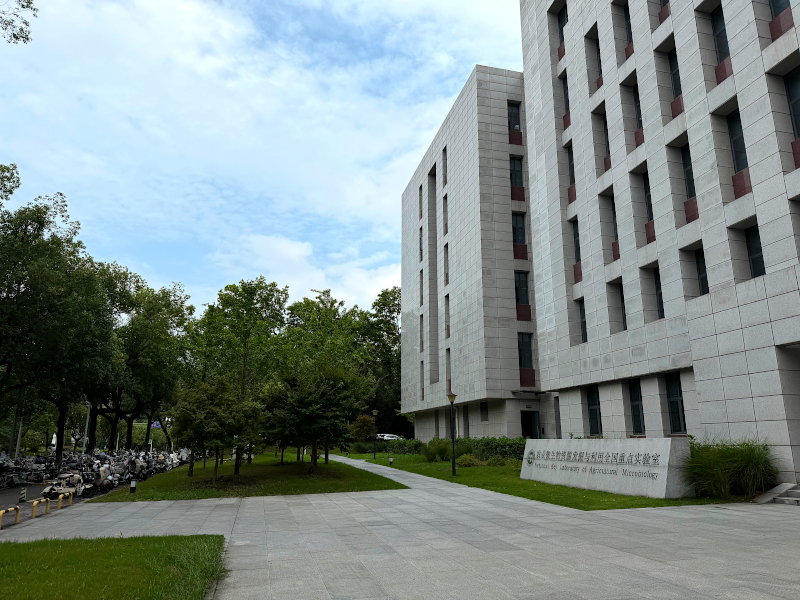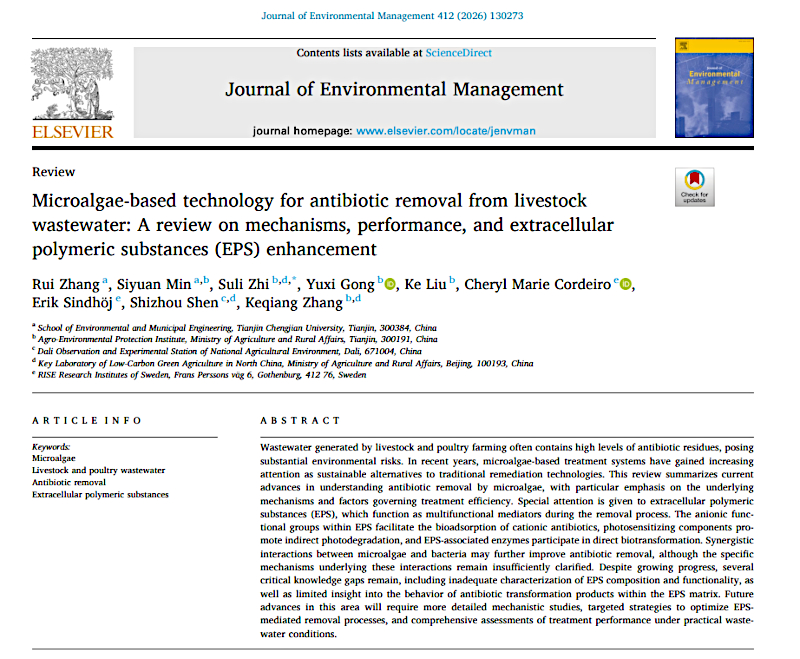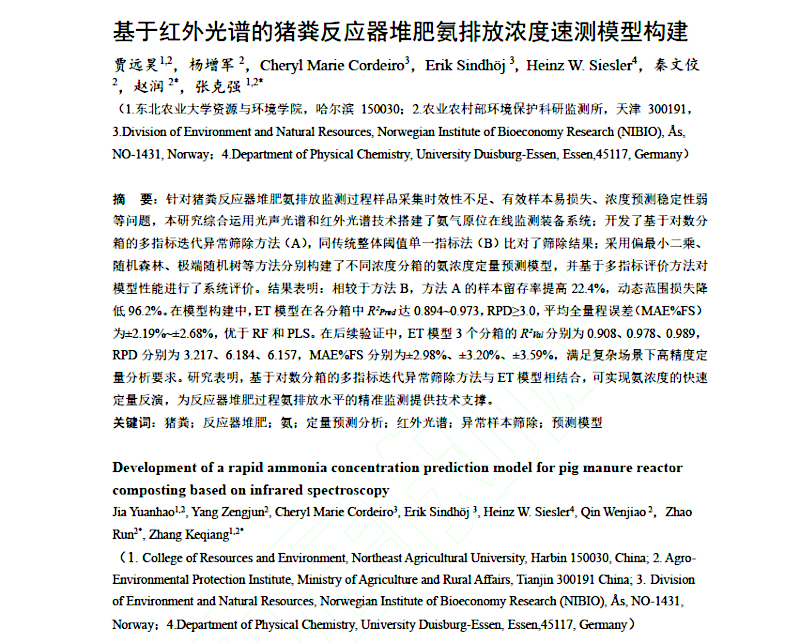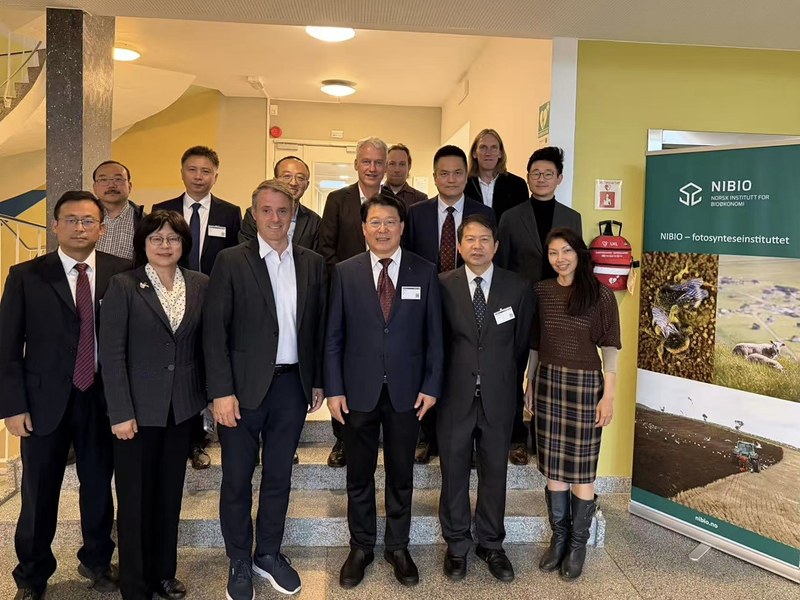
The CAAS delegation with NIBIO colleagues during the visit to NIBIO, September 2026.
It was a pleasure to meet colleagues from the Chinese Academy of Agricultural Sciences (CAAS) when they came to Norway as part of their Nordic visit from 14–19 September 2026. The itinerary was planned by Research Professors at NIBIO, and I was part of the group that had the opportunity to meet the CAAS delegation, sharing current projects and new avenues of growth.
Led by CAAS Vice President Liu Xianwu, the delegation visited the Norwegian Institute of Bioeconomy Research (NIBIO) and its Apelsvoll Research Station, where discussions focused on the third phase of SINOGRAIN, green agricultural development, biotechnology, and opportunities to further strengthen joint research and research-platform cooperation between our institutions.
The visit forms part of a continuing research relationship between NIBIO and CAAS and provided a valuable opportunity to exchange perspectives, connect research activities and consider where our collaboration can develop further.
Continue reading ”Strengthening NIBIO–CAAS Research Collaboration”