Method over numbers: A Nordic contribution to China’s agricultural-waste training on the Yangtze.

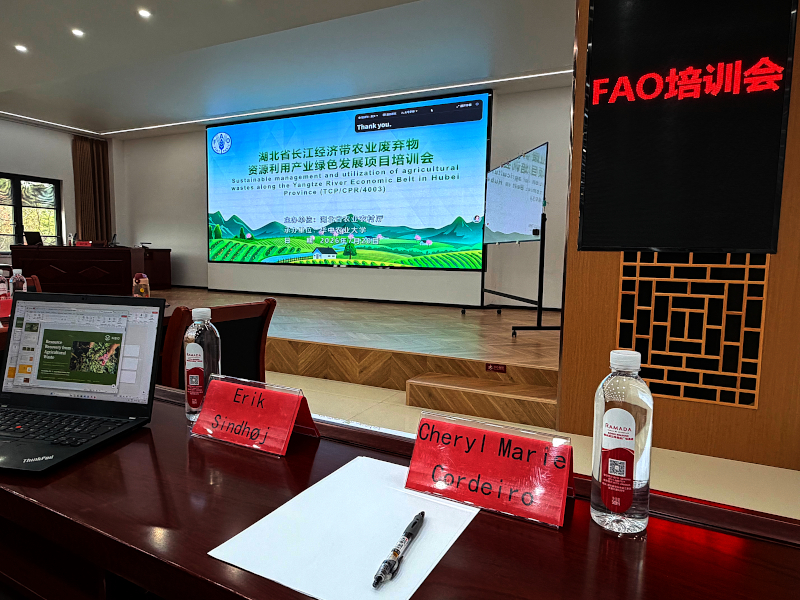
FAO agricultural-waste training, Ezhou, Hubei, July 2026

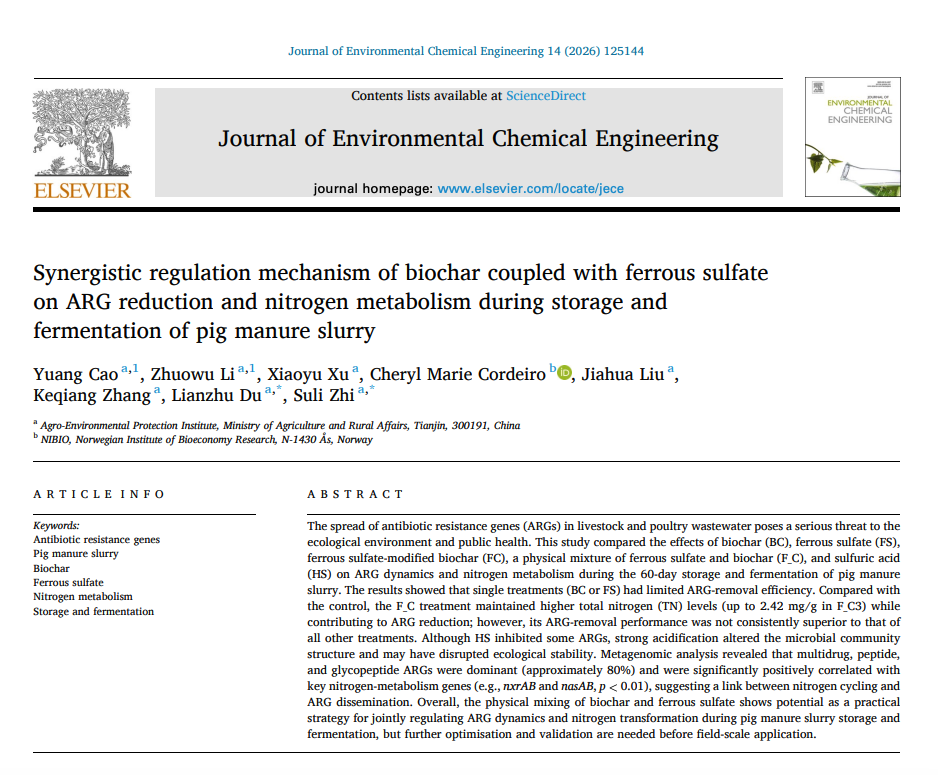
In July 2026, Erik Sindhøj and I were invited to join the third and final agricultural-waste training run by the United Nations Food and Agriculture Organization (FAO) in Ezhou, Hubei. Representing NIBIO, the Norwegian Institute of Bioeconomy Research, we presented on resource recovery from agricultural waste. Together with other international trainers, we helped support some 35 Chinese agri-environment officers as they learnt to become Farmer Field School facilitators, and we contributed a transferable, evidence-first framework for recovering value from manure, straw and mulch film in service of protecting the Yangtze.

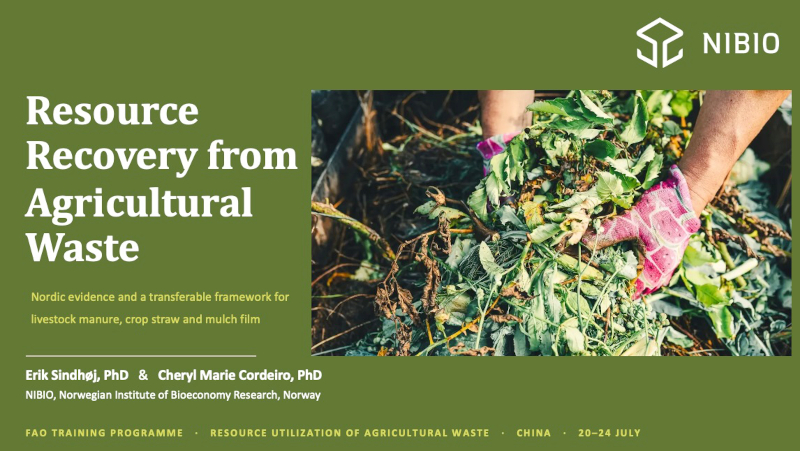
Title slide of the NIBIO presentation, Resource Recovery from Agricultural Waste

The opening slide of our NIBIO session, “Resource Recovery from Agricultural Waste”. The full presentation is available as a PDF: FAO_Resource_Recovery_AgWaste_v0.1 (PDF).

Continue reading ”Method over numbers: A Nordic contribution to China’s agricultural-waste training on the Yangtze.”

From Microbe to Meal: A day in Wuhan with the students of Huazhong Agricultural University

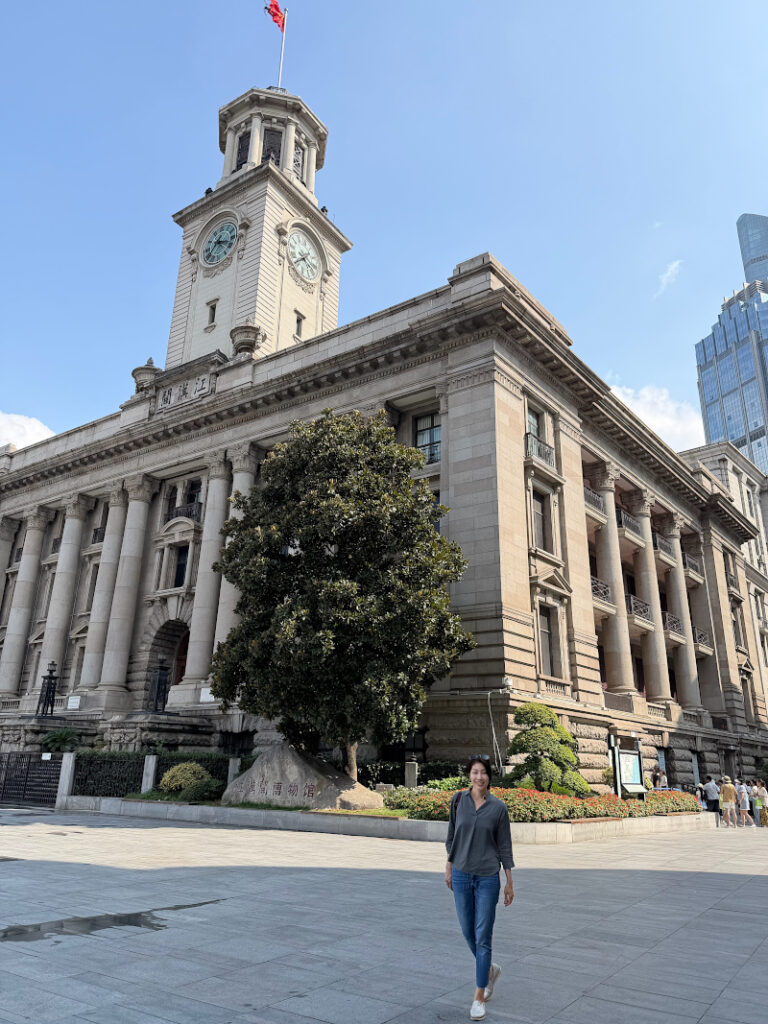
The Jianghan Customs House clock tower, Jianghan Road, Wuhan

The Jianghan Customs House clock tower, the street’s landmark since the 1920s.
Photo and text copyright © 2026 CM Cordeiro

There may be no better way to understand a region, a country, than to let its doctoral students show you around, first their work, then their favourite haunts. Our day with them began quietly, in a cool molecular-biology corridor where they spend their hours coaxing answers out of the invisible world. From there it spilled outdoors, into an unhurried wander down a hundred-year-old shopping street, and finally gathered, as the best days in Wuhan do, around a steaming tray of crayfish, sleeves pushed up, fingers stained happily red, everyone talking over everyone. What ties those three scenes together is more than good company. It’s a whole food system, quietly on display: the microbes that keep crops and soils healthy, the paddies where this city’s cherished summer catch is raised, and the streets and tables where all of it finally comes home.

Morning: microbes, and the students who study them

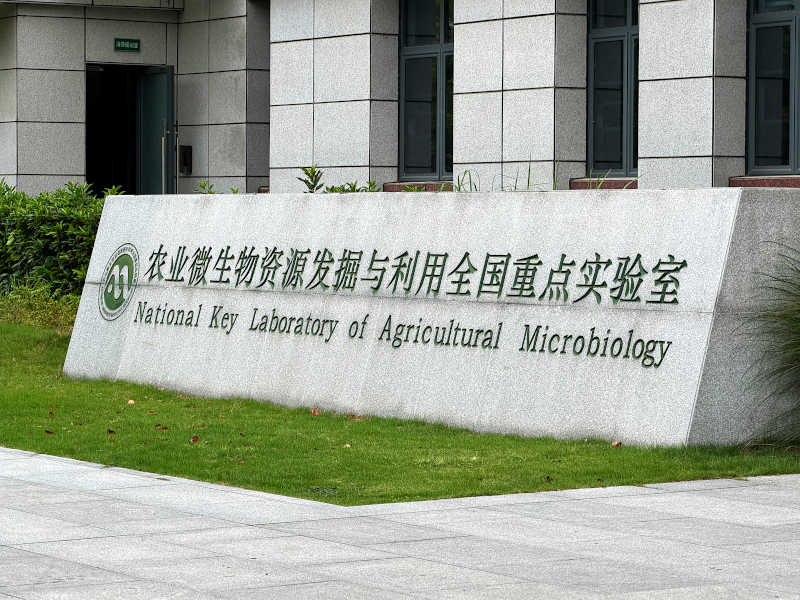
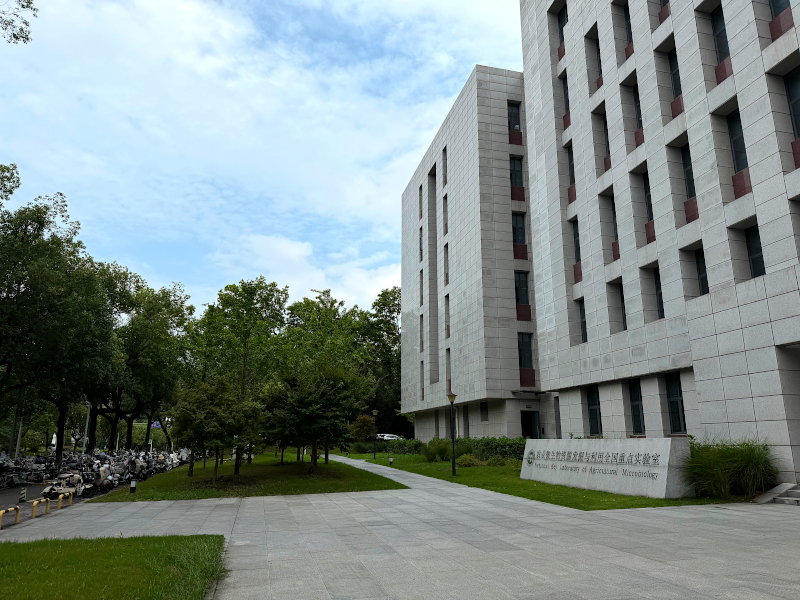
We spent the morning at Huazhong Agricultural University (HZAU), one of China’s leading agricultural universities, in the company of the graduate students who work in its National Key Laboratory of Agricultural Microbiology. If that name sounds abstract, the corridor makes it wonderfully concrete: wall after wall of research posters on the microbes that fix nitrogen, fend off crop disease, and turn waste into fertiliser. It is the diligent, invisible workforce underneath every field we had walked through earlier in the trip, and here were the people who spend their days getting to know it.

Continue reading ”From Microbe to Meal: A day in Wuhan with the students of Huazhong Agricultural University”

Microalgae for Antibiotic Removal from Livestock Wastewater

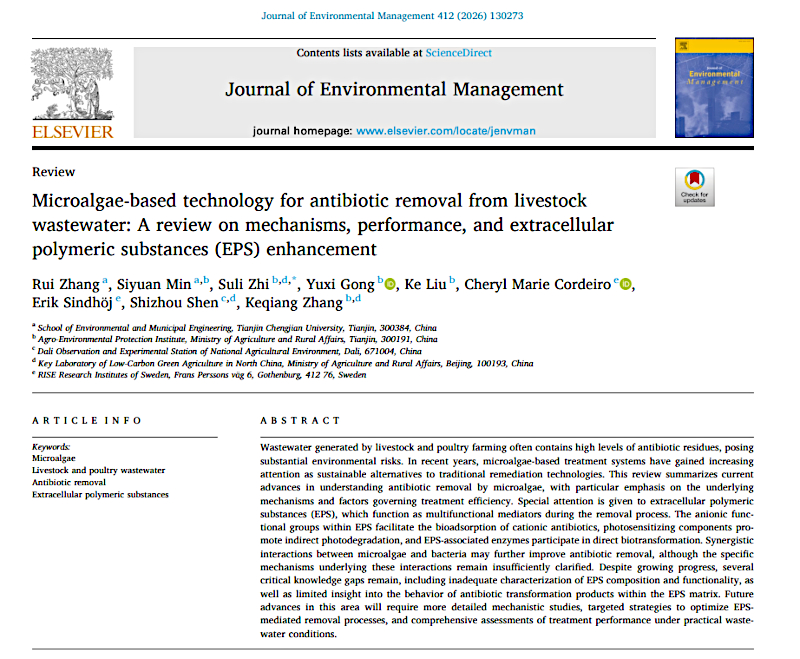
Microalgae-Based Technology for Antibiotic Removal from Livestock Wastewater: Mechanisms, Performance, and EPS Enhancement

Journal of Environmental Management publication

This review was conducted through an international collaboration involving Tianjin Chengjian University, the Agro-Environmental Protection Institute of the Ministry of Agriculture and Rural Affairs in China, the Dali Observation and Experimental Station of National Agricultural Environment, the Key Laboratory of Low-Carbon Green Agriculture in North China and RISE Research Institutes of Sweden.

Abstract

Antibiotic residues released from livestock and poultry farming are increasingly recognised as an important environmental challenge due to their contribution to water pollution and the spread of antimicrobial resistance. This review examines recent advances in microalgae-based wastewater treatment technologies as sustainable alternatives to conventional physicochemical and biological treatment methods.

Particular emphasis is placed on the role of extracellular polymeric substances (EPS), which function as multifunctional interfaces between microalgae and pollutants. The review synthesises current knowledge on the mechanisms through which EPS contribute to antibiotic removal, including bioadsorption, bioaccumulation, photodegradation, enzymatic biotransformation, and synergistic interactions with bacterial communities. It also evaluates the antibiotic removal performance of different microalgal species and discusses environmental factors influencing treatment efficiency.

Beyond summarising the current state of knowledge, the review identifies important research gaps, including the need for a better understanding of EPS composition and functionality, improved characterisation of antibiotic transformation products, and optimisation of EPS-mediated treatment processes under practical wastewater conditions. These insights provide a roadmap for developing more efficient, sustainable and scalable nature-based solutions for livestock wastewater treatment and circular bioeconomy applications.

Keywords

Keywords: Microalgae; livestock wastewater; antibiotic removal; extracellular polymeric substances (EPS); bioadsorption; biodegradation; wastewater treatment; circular bioeconomy; nature-based solutions.

Reference

Zhang, R., Min, S., Zhi, S., Gong, Y., Liu, K., Cordeiro, C. M., Sindhöj, E., Shen, S., & Zhang, K. (2026). Microalgae-based technology for antibiotic removal from livestock wastewater: A review on mechanisms, performance, and extracellular polymeric substances (EPS) enhancement. Journal of Environmental Management, 412, 130273. https://doi.org/10.1016/j.jenvman.2026.130273

Rapid Ammonia Prediction in Pig Manure Composting

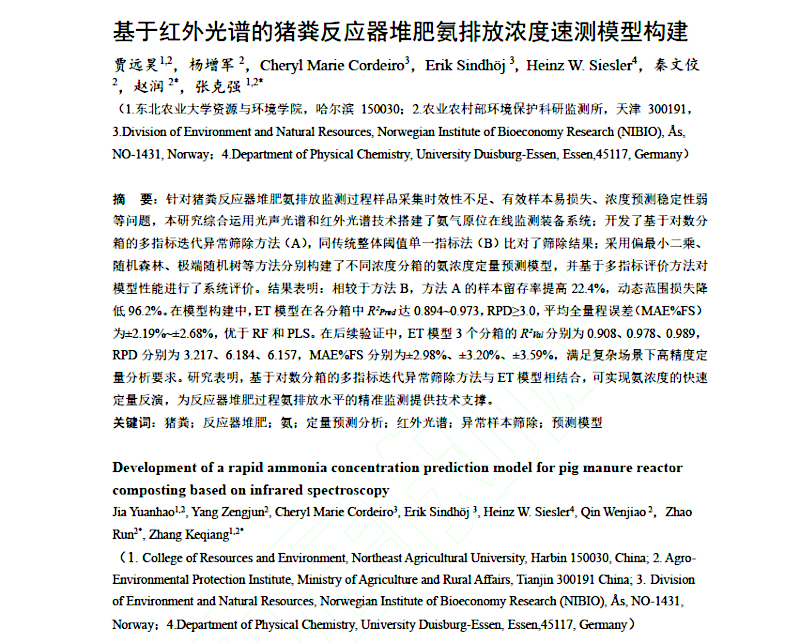
Development of a Rapid Ammonia Concentration Prediction Model for Pig Manure Reactor Composting Based on Infrared Spectroscopy

This study was conducted through an international collaboration involving Northeast Agricultural University and the Agro-Environmental Protection Institute of China’s Ministry of Agriculture and Rural Affairs, together with NIBIO the Norwegian Institute of Bioeconomy Research, and the University of Duisburg-Essen in Germany.


Journal of Agro-Environment Science 2026 publication

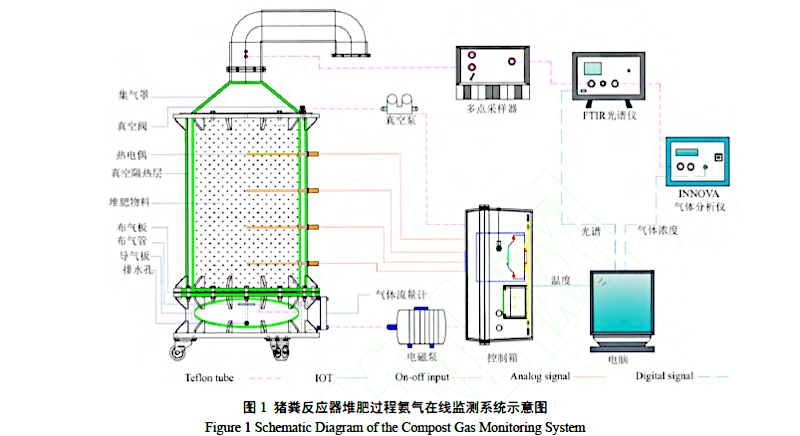
Schematic diagram of the online ammonia monitoring system used during pig manure reactor composting

Abstract

To address the challenges of delayed sample collection, the loss of valid samples, and unstable concentration predictions during the monitoring of ammonia emissions from pig-manure reactor composting, this study developed an in situ online monitoring system integrating photoacoustic spectroscopy and infrared spectroscopy. A multi-indicator iterative outlier-removal method based on logarithmic binning, referred to as Method A, was developed and compared with a conventional single-indicator method using a global threshold, referred to as Method B. Partial least squares regression, random forest, and extremely randomized trees were used to construct quantitative ammonia-concentration prediction models for different concentration bins. Model performance was then systematically assessed using multiple evaluation indicators.

Compared with Method B, Method A increased the sample-retention rate by 22.4% and reduced the loss of dynamic range by 96.2%. During model development, the extremely randomized trees model achieved prediction coefficients of determination ranging from 0.894 to 0.973 across the concentration bins, with residual predictive deviation values of at least 3.0 and mean absolute error as a percentage of full scale ranging from ±2.19% to ±2.68%. Its performance was superior to that of the random forest and partial least squares models.

In subsequent validation, the extremely randomized trees models for the three concentration bins achieved coefficients of determination of 0.908, 0.978, and 0.989, respectively. The corresponding residual predictive deviation values were 3.217, 6.184, and 6.157, while the mean absolute errors as percentages of full scale were ±2.98%, ±3.20%, and ±3.59%, respectively. These results meet the requirements for high-precision quantitative analysis under complex operating conditions.

The findings demonstrate that combining logarithmic binning-based multi-indicator iterative outlier removal with extremely randomized trees enables rapid quantitative prediction of ammonia concentrations. This approach provides technical support for the accurate monitoring of ammonia-emission levels during reactor composting.

Keywords

Keywords: Pig manure; reactor composting; ammonia; quantitative prediction; infrared spectroscopy; outlier removal; prediction model.

Reference

Jia, Y., Yang, Z., Cordeiro, C. M., Sindhöj, E., Siesler, H. W., Qin, W., Zhao, R., & Zhang, K. (2026). 基于红外光谱的猪粪反应器堆肥氨排放浓度速测模型构建 / Development of a rapid ammonia concentration prediction model for pig manure reactor composting based on infrared spectroscopy. 农业环境科学学报 / Journal of Agro-Environment Science. Advance online publication. PDF download.

When optional harmonisation meets a patchwork: what the Fertilising Products Regulation tells us about EU regulatory design

Seven years after its adoption, and nearly four years after it entered into application, the EU Fertilising Products Regulation (FPR) offers a quiet lesson in how EU regulatory design actually works. The lesson is not about fertilisers alone. It concerns what happens when a harmonised EU framework is placed alongside mature national systems, with producers free to choose between them.

That choice is known, in the language of EU product law, as optional harmonisation. Under the FPR, producers can CE-mark their product and place it on the internal market under EU rules, or they can continue to follow national legislation. Recital 5 of Regulation (EU) 2019/1009 makes this design choice explicit: unlike most Union product harmonisation measures, the FPR does not prevent non-harmonised fertilising products from being placed on the internal market under national law [1]. Compliance with harmonised rules therefore remains optional.

Continue reading ”When optional harmonisation meets a patchwork: what the Fertilising Products Regulation tells us about EU regulatory design”

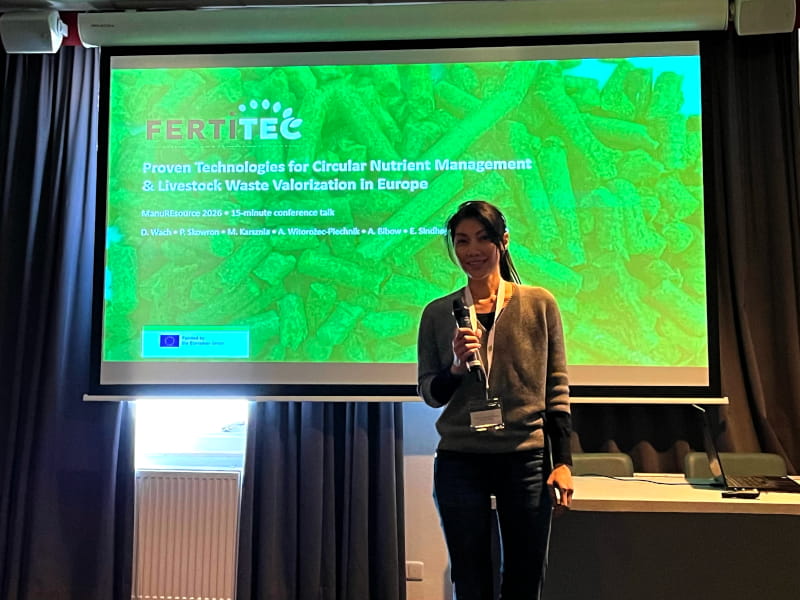
Mapping What Works: FERTITEC at ManuREsource 2026, Wageningen


Text and Photo © 2026 CM Cordeiro

About ManuREsource

ManuREsource is an international conference dedicated to the exchange of knowledge and experience among researchers, policymakers, industry actors, and farmers on the policy measures, technologies, and valorisation strategies associated with livestock manure management. Organised by the Flemish Coordination Centre for Manure Processing (VCM), Ghent University, and Inagro, the conference series has grown steadily since its first edition in 2013 into one of Europe’s foremost gatherings in the field of circular nutrient management.

The conference rotates between Belgium and the Netherlands, reflecting the close collaboration between Flemish and Dutch expertise in addressing manure surplus challenges. Recent editions include:

Edition Year Location
4th 2019 Hasselt, Belgium
5th 2021/2022 ’s-Hertogenbosch, the Netherlands
6th 2024 Antwerp, Belgium
7th (current) 2026 Ede/Wageningen, the Netherlands

Each edition has built on the last, broadening its scope from manure surplus management to encompass innovations in treatment technology, nutrient recovery, valorisation for energy and food production, regulatory policy, and sustainability assessment. The 2026 edition, held 4–5 March at Hotel Reehorst in Ede/Wageningen, with an optional field trip on 6 March to local manure processing installations, continued this tradition under the central theme: manure as a resource.

Continue reading ”Mapping What Works: FERTITEC at ManuREsource 2026, Wageningen”

Bridging the Gap from Pilots to Practice in Circular Water Management

Abstract

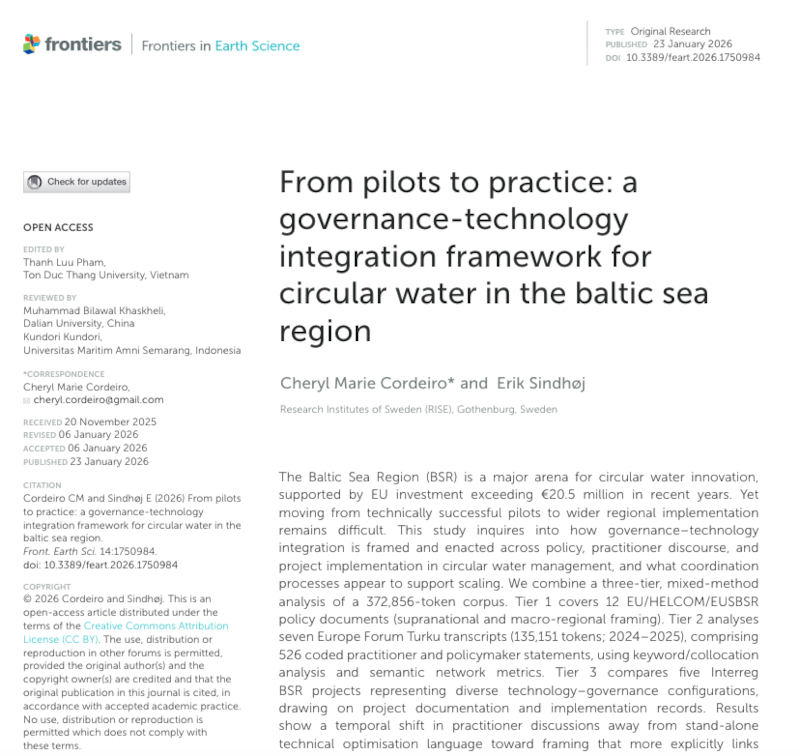
A new study published in Frontiers in Earth Science presents a data-driven framework for understanding how circular water technologies can successfully transition from pilot projects to widespread regional implementation. Using computational text analysis of 372,856 tokens from EU policy documents, practitioner forums, and five Interreg Baltic Sea Region projects, the research identifies three critical coordination mechanisms, structural, knowledge, and temporal, that enable effective governance-technology integration across multiple scales. The findings reveal a temporal shift in practitioner discourse from technical optimization toward strategic governance framing, highlighting the importance of adaptive coordination processes in scaling circular water innovations.

Addressing a Critical Challenge in Environmental Governance

The Baltic Sea Region has emerged as a major arena for circular water innovation, with EU investment exceeding €20.5 million in recent years. Yet despite technically successful pilots, moving from demonstration projects to broader regional implementation remains challenging. Our newly published research tackles this persistent ”pilot-to-practice” problem by examining how governance and technology integration is actually framed, discussed, and implemented across policy, practitioner, and project contexts.

Continue reading ”Bridging the Gap from Pilots to Practice in Circular Water Management”

Digital tools for nutrient value chain management in circular wastewater and manure systems

As dairy farms move toward more data-driven nutrient management, near-infrared spectroscopy (NIRS) is emerging as a practical tool. It enables rapid, non-destructive analysis of slurry nutrients directly on-farm, reducing the need for frequent laboratory testing.

However, one key challenge is often underestimated, temperature. Slurry in barns, tanks, and lagoons rarely stays at a constant temperature. It changes with seasons, time of day, and position in the manure management chain. These fluctuations can distort NIR spectra and, if not properly understood, lead to unreliable nutrient predictions.

A recent article in Microchemical Journal by Wang et al. (2025) addresses this issue using advanced spectral methods to examine how temperature reshapes the NIR signature of dairy slurry and what this means for real-time sensing in practice.

Continue reading ”Digital tools for nutrient value chain management in circular wastewater and manure systems”

How Microalgae Combat Antibiotic Resistance in Wastewater

Microalgae-based wastewater treatment

Our new study, now published in the Journal of Hazardous Materials, reveals promising insights into using microalgae to tackle one of agriculture’s most pressing environmental challenges: the spread of antibiotic resistance genes (ARGs) in livestock wastewater.

The Challenge

Nearly 55% of antibiotics used in China are applied in livestock farming, creating a major pathway for antibiotic resistance genes to enter the environment through farm wastewater. These genes pose serious risks to ecosystems and human health, making their removal from wastewater a critical priority. Similar risks are emerging in aquaculture, where high-nutrient effluents containing antibiotic residues and resistance genes threaten surrounding waters, highlighting the need for robust, nature-based treatment solutions across both terrestrial and aquatic production systems.

An Innovative Approach

Our international research team, including collaborators from RISE Research Institutes of Sweden and China’s Agro-Environmental Protection Institute (AEPI) under China´s Ministry of Agriculture and Rural Affairs (MARA), investigated how the microalga Chlorella pyrenoidosa responds to environmental stressors while treating dairy farm wastewater. Specifically, we examined the combined effects of lead stress and gibberellin (a plant hormone) stimulation on microalgal performance, bacterial communities, and ARG removal.

Continue reading ”How Microalgae Combat Antibiotic Resistance in Wastewater”

Microalgae and EPS for Mitigating Antibiotic Resistance in Livestock Wastewater

Antibiotic resistance is one of the most pressing challenges in both environmental and public health domains. A growing body of research is exploring nature-based solutions to mitigate the spread of antibiotic resistance genes (ARGs), particularly in agricultural systems. A new study published in Bioresource Technology contributes to this field by examining the potential of microalgae and extracellular polymeric substances (EPS) to reduce ARGs in livestock wastewater.

🔗 Read the full article: https://doi.org/10.1016/j.biortech.2025.132622

Overview of the Study

The research, led by Xiaoyu Xu and a multidisciplinary team from China and Sweden, investigates the interactions between algae and EPS and their role in mitigating the spread of ARGs in contaminated livestock water. As the agricultural sector is a known hotspot for antibiotic use and discharge, developing effective treatment strategies is both urgent and impactful.

Continue reading ”Microalgae and EPS for Mitigating Antibiotic Resistance in Livestock Wastewater”