Method over numbers: A Nordic contribution to China’s agricultural-waste training on the Yangtze.

FAO agricultural-waste training, Ezhou, Hubei, July 2026

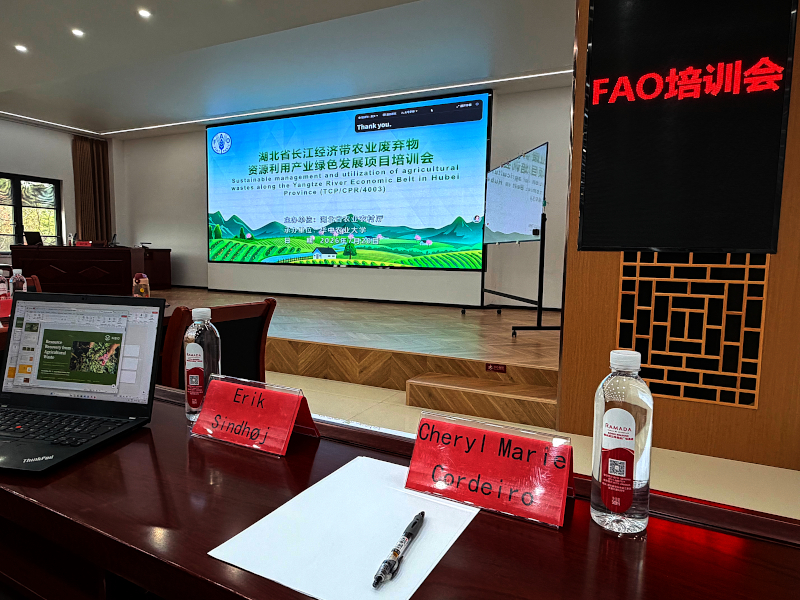
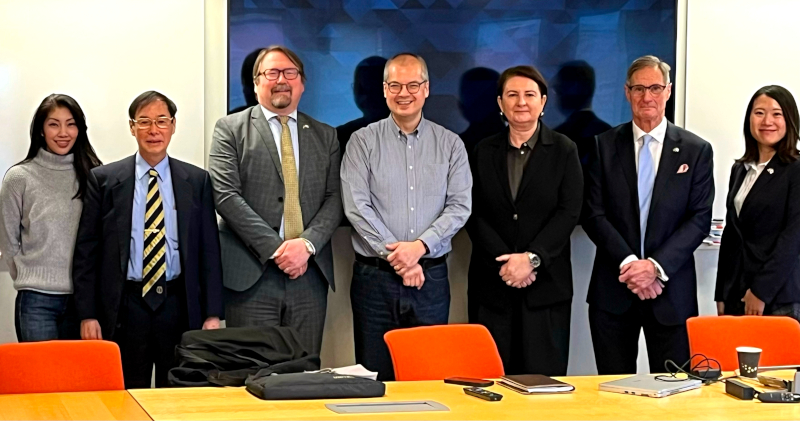
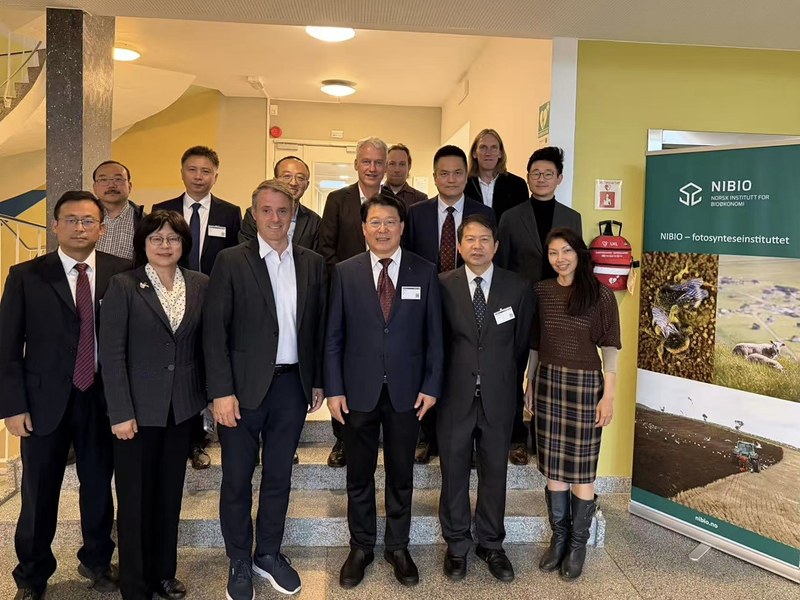
In July 2026, Erik Sindhøj and I were invited to join the third and final agricultural-waste training run by the United Nations Food and Agriculture Organization (FAO) in Ezhou, Hubei. Representing NIBIO, the Norwegian Institute of Bioeconomy Research, we presented on resource recovery from agricultural waste. Together with other international trainers, we helped support some 35 Chinese agri-environment officers as they learnt to become Farmer Field School facilitators, and we contributed a transferable, evidence-first framework for recovering value from manure, straw and mulch film in service of protecting the Yangtze.

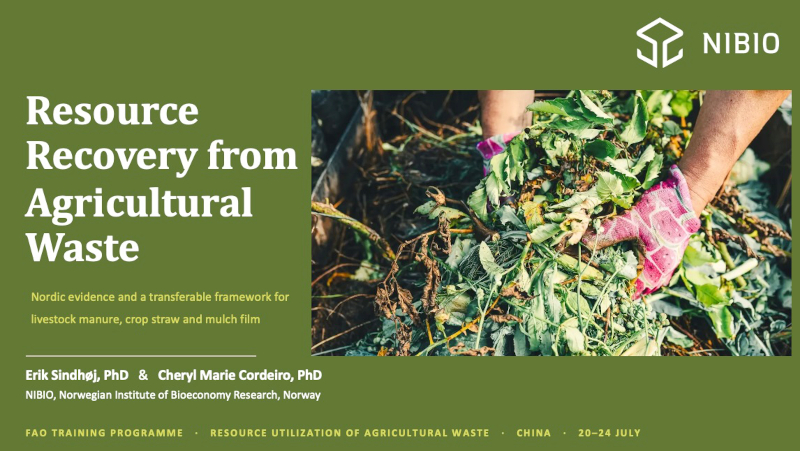
Title slide of the NIBIO presentation, Resource Recovery from Agricultural Waste

The opening slide of our NIBIO session, “Resource Recovery from Agricultural Waste”. The full presentation is available as a PDF: FAO_Resource_Recovery_AgWaste_v0.1 (PDF).

Continue reading ”Method over numbers: A Nordic contribution to China’s agricultural-waste training on the Yangtze.”

From Microbe to Meal: A day in Wuhan with the students of Huazhong Agricultural University

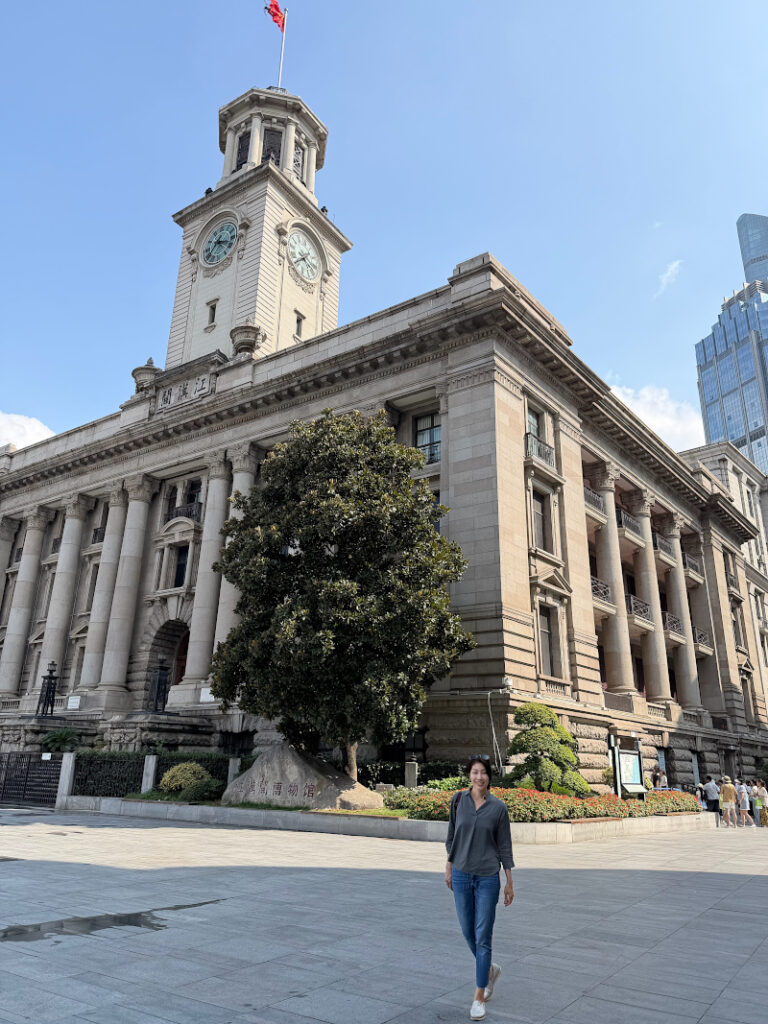
The Jianghan Customs House clock tower, Jianghan Road, Wuhan

The Jianghan Customs House clock tower, the street’s landmark since the 1920s.
Photo and text copyright © 2026 CM Cordeiro

There may be no better way to understand a region, a country, than to let its doctoral students show you around, first their work, then their favourite haunts. Our day with them began quietly, in a cool molecular-biology corridor where they spend their hours coaxing answers out of the invisible world. From there it spilled outdoors, into an unhurried wander down a hundred-year-old shopping street, and finally gathered, as the best days in Wuhan do, around a steaming tray of crayfish, sleeves pushed up, fingers stained happily red, everyone talking over everyone. What ties those three scenes together is more than good company. It’s a whole food system, quietly on display: the microbes that keep crops and soils healthy, the paddies where this city’s cherished summer catch is raised, and the streets and tables where all of it finally comes home.

Morning: microbes, and the students who study them

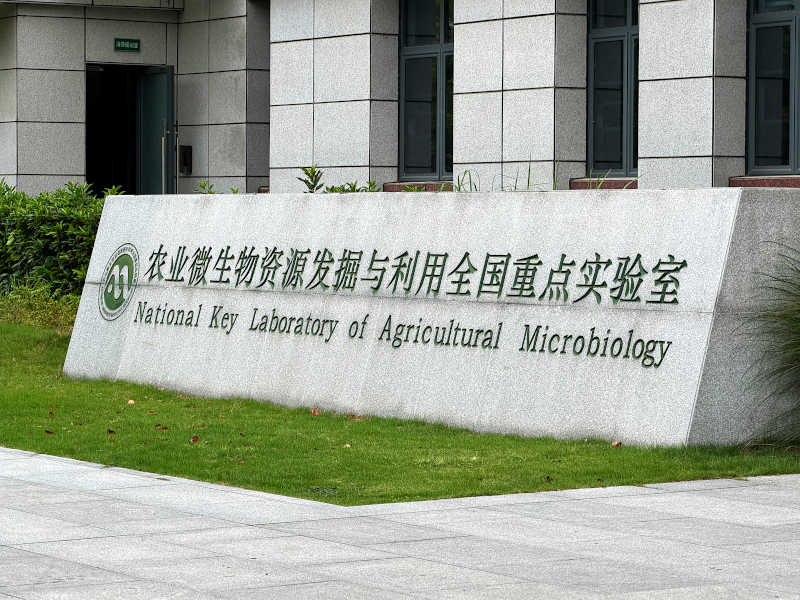
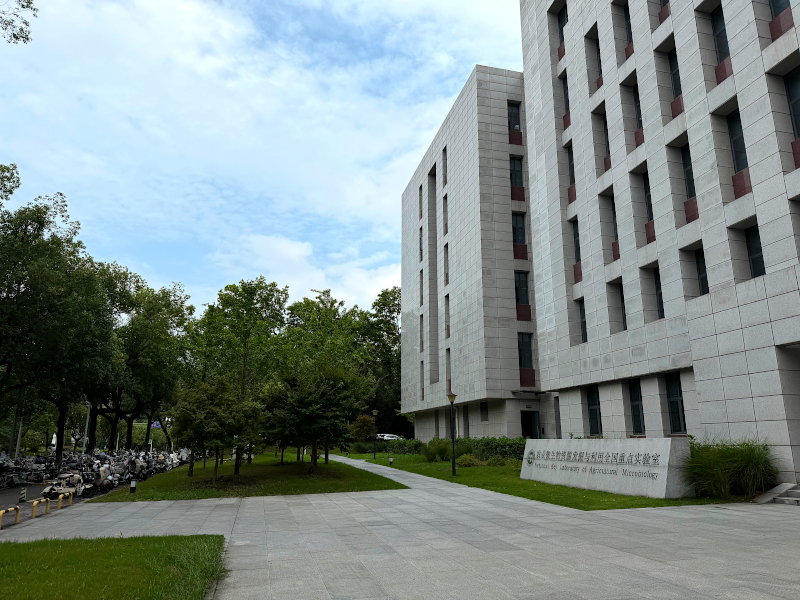
We spent the morning at Huazhong Agricultural University (HZAU), one of China’s leading agricultural universities, in the company of the graduate students who work in its National Key Laboratory of Agricultural Microbiology. If that name sounds abstract, the corridor makes it wonderfully concrete: wall after wall of research posters on the microbes that fix nitrogen, fend off crop disease, and turn waste into fertiliser. It is the diligent, invisible workforce underneath every field we had walked through earlier in the trip, and here were the people who spend their days getting to know it.

Continue reading ”From Microbe to Meal: A day in Wuhan with the students of Huazhong Agricultural University”

Infrastructure, Green Finance, and Cyber Security: An Afternoon with Professor Naoyuki Yoshino

Text and Photo © 2026 CM Cordeiro

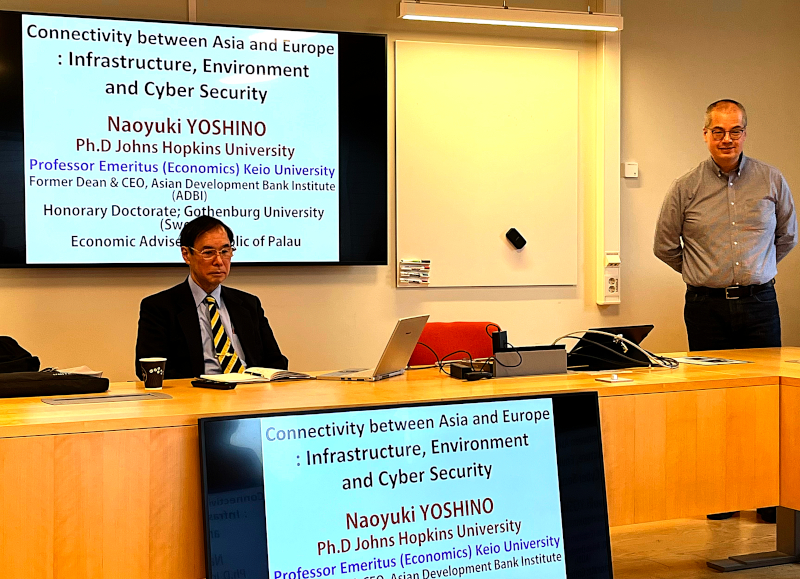
It is not every day that a seminar room fills with the kind of quiet intellectual energy that makes you reach for your notebook before the speaker has even begun. Last week’s gathering at the University of Gothenburg, organised by CERGU (Centre for European Research) and CIBS (Centre for International Business Studies), School of Business, Economics and Law, was one of those occasions.

The guest of honour was Professor Emeritus Naoyuki Yoshino of Keio University, Tokyo, a Johns Hopkins-trained economist whose career spans monetary policy, infrastructure finance, green finance, and most recently, cyber security governance. Professor Yoshino holds an honorary doctorate from the University of Gothenburg, making this visit a homecoming of sorts, and has served as Dean and CEO of the Asian Development Bank Institute (ADBI). He is also Economic Adviser to the Republic of Palau.

Continue reading ”Infrastructure, Green Finance, and Cyber Security: An Afternoon with Professor Naoyuki Yoshino”

Mapping What Works: FERTITEC at ManuREsource 2026, Wageningen


Text and Photo © 2026 CM Cordeiro

About ManuREsource

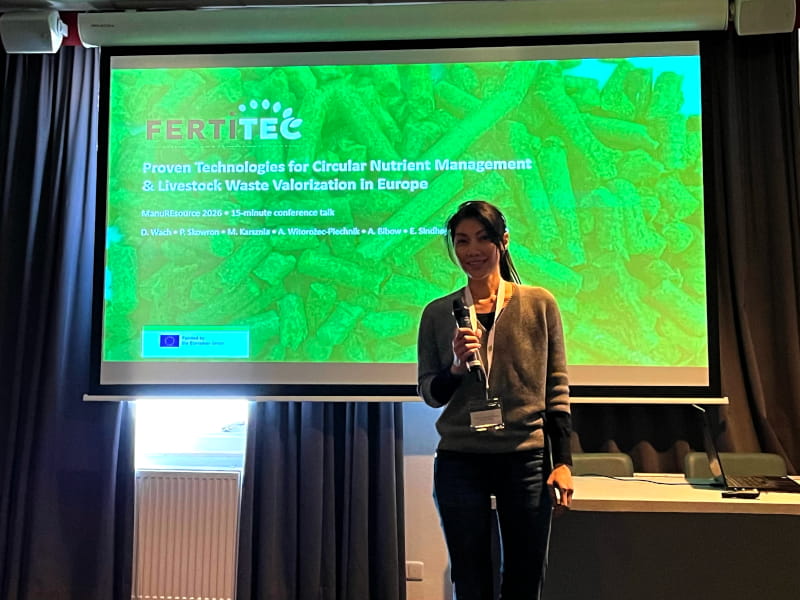
ManuREsource is an international conference dedicated to the exchange of knowledge and experience among researchers, policymakers, industry actors, and farmers on the policy measures, technologies, and valorisation strategies associated with livestock manure management. Organised by the Flemish Coordination Centre for Manure Processing (VCM), Ghent University, and Inagro, the conference series has grown steadily since its first edition in 2013 into one of Europe’s foremost gatherings in the field of circular nutrient management.

The conference rotates between Belgium and the Netherlands, reflecting the close collaboration between Flemish and Dutch expertise in addressing manure surplus challenges. Recent editions include:

Edition Year Location
4th 2019 Hasselt, Belgium
5th 2021/2022 ’s-Hertogenbosch, the Netherlands
6th 2024 Antwerp, Belgium
7th (current) 2026 Ede/Wageningen, the Netherlands

Each edition has built on the last, broadening its scope from manure surplus management to encompass innovations in treatment technology, nutrient recovery, valorisation for energy and food production, regulatory policy, and sustainability assessment. The 2026 edition, held 4–5 March at Hotel Reehorst in Ede/Wageningen, with an optional field trip on 6 March to local manure processing installations, continued this tradition under the central theme: manure as a resource.

Continue reading ”Mapping What Works: FERTITEC at ManuREsource 2026, Wageningen”

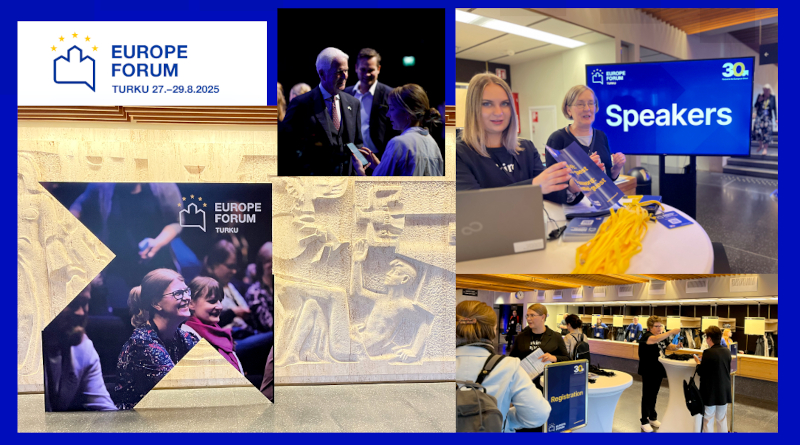
Europe Forum Insights 2024/5: Security, Competitiveness, Sustainability

Photo and Text © C.M. Cordeiro 2025.

Integrating Security, Competitiveness, and Sustainability: Insights from Europe Forum Debates 2024/5 and EU Projects

Introduction

Europe faces multiple, overlapping challenges: geopolitical instability, ecological pressures, and concerns over long-term economic competitiveness. These issues are often framed in policy debates as competing priorities. At the Europe Forum events in Turku (2024 and 2025), panelists frequently posed the question of whether EU resources should be directed toward defense and security or toward sustainable growth, cohesion, and agriculture [1]–[4]. This article explores how such framings may overstate the trade-offs. Drawing on Forum debates and ongoing EU projects, it examines the extent to which security, competitiveness, and sustainability can be understood as interdependent dimensions of a coherent European agenda.

1. Security as Competitiveness

At the 2024 Forum session on European competitiveness, it was emphasized that competitiveness is inseparable from security [1]. The upcoming EU Council Presidency was noted as placing emphasis on defense industry financing, border resilience, and energy independence. This reflects a growing recognition that secure borders, reliable energy systems, and resilient food and digital infrastructures underpin Europe’s ability to compete internationally.

Continue reading ”Europe Forum Insights 2024/5: Security, Competitiveness, Sustainability”

Reflections from the FERTITEC Kick-Off in Thessaloniki, Greece

On 27 January 2025, the city of Thessaloniki, Greece became the meeting point for a shared vision of sustainable agriculture. It was there that we officially launched FERTITEC, an EU-funded Coordination and Support Action (CSA) bringing together seven international partners across Europe and Africa to advance innovation in circular fertiliser systems.

Now, three months on, we take a moment to reflect—not just on what was initiated, but on what was truly begun: a collaborative journey grounded in mutual learning, technical exchange, and a commitment to transformation.

More Than a Meeting—A Foundation for Collaboration

The Kick-Off Meeting (KoM) in Thessaloniki marked the formal start of the project, but it also marked something deeper: the forging of partnerships that bring together policy and practice, science and systems thinking, and knowledge and local context.

Thessaloniki, with its rich cultural heritage and welcoming atmosphere, provided more than a backdrop. It reminded us that building sustainable futures requires not only innovation, but also dialogue—across cultures, across sectors, and through shared experience. From structured sessions to informal conversations over meals, the KoM laid the groundwork for a collaborative ethos that continues to shape how we work.

Continue reading ”Reflections from the FERTITEC Kick-Off in Thessaloniki, Greece”

Green Innovation at the Institute of Plant Nutrition, Resources, and Environment, Beijing

Text and Photo: CM Cordeiro, EB Sindhøj © 2024

Nestled in the bustling city of Beijing is a beacon of agricultural innovation—the Institute of Plant Nutrition, Resources, and Environment, part of the prestigious Beijing Academy of Agriculture and Forestry Sciences (BAAFS). During my recent visit, I discovered how this remarkable institution is shaping the future of sustainable agriculture, addressing challenges ranging from resource management to environmental conservation.

About the Beijing Academy of Agriculture and Forestry Sciences

Founded in 1958, the Beijing Academy of Agriculture and Forestry Sciences (BAAFS) has grown into a world-class research institution. With 1,230 employees, including 574 with senior professional titles and 558 with doctoral degrees, the academy is home to an impressive roster of talent. This includes one academician of the Chinese Academy of Engineering, five Beijing Scholars, and several nationally recognized young scholars. The academy encompasses 15 institutes and centers, covering agriculture, forestry, animal husbandry, and fishery. Its disciplines of ”Plant and Animal Science,” ”Agricultural Science,” and ”Environment and Ecology” have been ranked among the top 1% globally by the Essential Science Indicators (ESI).

Continue reading ”Green Innovation at the Institute of Plant Nutrition, Resources, and Environment, Beijing”

CiNURGi Seminar Highlights Key Discussions on Nutrient Cycling, Field Visit to HSY, and Resource Recovery

A screencapture from LinkedIn from the EU Interreg BSR core project CiNURGi open webinar held on 18 Nov. 2024. 60 participants signed up for this event.
Text & Photo © CM Cordeiro & , E Sindhöj 2024


The recent CiNURGi open seminar at HELCOM – Baltic Marine Environment Protection Commission, held on 18 November 2024, was a focal point for advancing nutrient cycling and resource recovery in the Baltic Sea Region. Part of a broader project meeting spanning three days in Helsinki, the event featured expert discussions, pilot project updates, and an insightful field study visit to Helsinki Region Environmental Services (HSY). Together, these activities showcased innovative approaches to sustainable waste and nutrient management.

Advancing Pilot Projects for Nutrient Utilization

During the seminar, CiNURGi leaders Erik Sindhöj and Cheryl Marie Cordeiro presented updates on pilot projects that address pressing challenges in biogas and nutrient utilization. These include advanced technologies for improving nutrient efficiency in digestate application, such as acidification techniques and weather-adaptive irrigation systems. The team also highlighted progress in urine separation and drying systems, which are currently being tested in Stockholm housing associations and the sports arena in Uppsala.

Continue reading ”CiNURGi Seminar Highlights Key Discussions on Nutrient Cycling, Field Visit to HSY, and Resource Recovery”

Mission Soil Week 2024: Collaborative Solutions for Soil Health and Climate Adaptation

At the EU Mission Soil Week 2024, Brussels, Belgium.
Text & Photo © CM Cordeiro 2024


European Mission Soil Week 2024 brought together policymakers, researchers, industry leaders, and community stakeholders to address the critical challenges of soil health, climate resilience, and sustainable land management. With 60–70% of EU soils classified as unhealthy, the event underscored the urgent need for innovative and collaborative approaches to reverse degradation trends and ensure a sustainable future. Continue reading ”Mission Soil Week 2024: Collaborative Solutions for Soil Health and Climate Adaptation”

Visby: Bridging Heritage and Sustainability in the Baltic Sea Region

At the EUSBSR Annual Forum 2024, Visby, Gotland, Sweden.
Text & Photo © CM Cordeiro & , E Sindhöj 2024

Visby, the historically rich capital of Gotland, Sweden, stands as a remarkable example of how heritage and sustainability can be harmoniously integrated [1]. My recent visit to attend the EUSBSR Annual Forum 2024 provided an opportunity not only to engage with leading experts on regional sustainability but also to observe firsthand how Visby balances its medieval heritage with contemporary environmental practices. This reflection captures the multifaceted approaches of Visby and Gotland to managing tourism, conserving biodiversity, and addressing water resilience.

Continue reading ”Visby: Bridging Heritage and Sustainability in the Baltic Sea Region”